The first Sunflower River Blues Festival took place in 1988 and was funded primarily by Clarksdale’s downtown merchants. Organized by Jim O’Neal and Dr. Patricia Johnson, the event featured dozens of musicians performing on outdoor stages along the banks of the Sunflower River beneath the Riverside Recreation Center and throughout the open space between Sunflower and Delta Avenues. The festival was filmed by Mississippi Educational Television, capturing the beginning of what would become one of the world’s most beloved blues festivals.
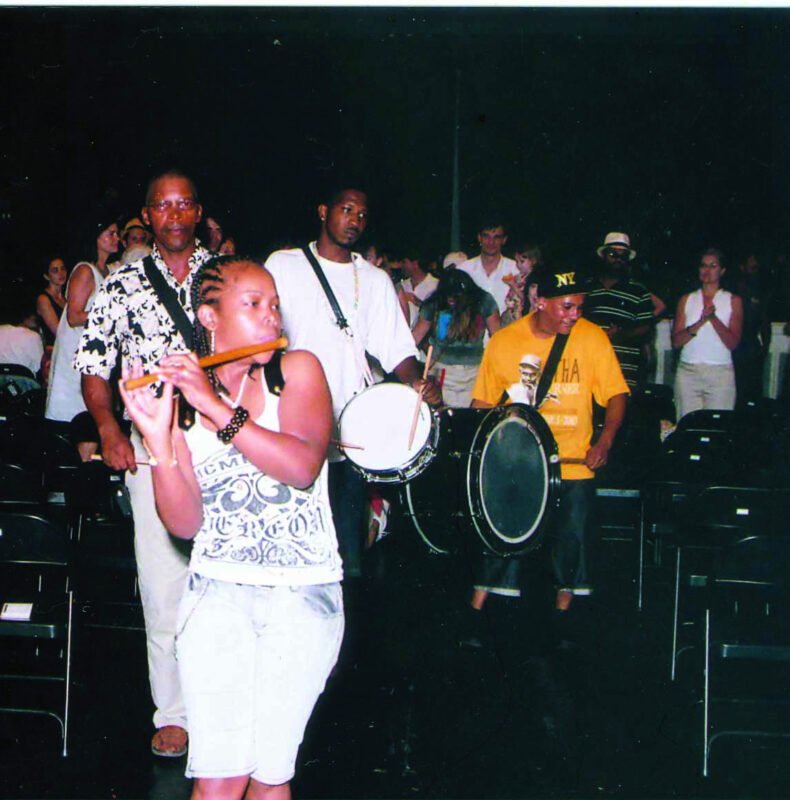
Featured performers included the legendary Jelly Roll Kings, Jack Owens, Bud Spires, Jessie Mae Hemphill, Boogaloo Ames, and Othar Turner and the Rising Star Fife and Drum Band. The grand finale performances by James “Son” Thomas and Otis Rush took place inside the historic Larry Thompson Center for the Performing Arts, formerly known as the Paramount Theatre and Marion Theatre.
The second festival in 1989 moved to Martin Luther King Park and was funded primarily by individual donors, including the late Z L Hill. A flatbed truck served as the stage for local artists, including Mr. Johnnie Billington and his young protégés, Quitman County brothers Deon Thomas and Harvel Thomas. Though smaller in scale, the festival drew international guests, including blues fans from Australia.
The third festival in 1990 honored Muddy Waters and moved to Soldiers Field, the former football grounds of Clarksdale High School. Performers included Keith Sykes, harmonica master Snooky Pryor, Vasti Jackson supporting swamp blues queen Katie Webster, jazz legend Mose Allison, and Jessie Mae Hemphill.
Festival planning meetings were regularly held at the Chamber of Commerce inside Clarksdale’s historic Bobo Building. Organizers remained committed to showcasing Mississippi musicians and artists with deep Mississippi roots.
The Blues Association has always been composed entirely of volunteers who believe in keeping the festival free and open to everyone. Because the blues emerged directly from the local culture, preserving public access has always remained central to the mission.
Even after becoming an official 501(c)(3) nonprofit and receiving grants from the Mississippi Arts Commission and the National Endowment for the Arts, the organization maintained its laid-back Delta hospitality and independent spirit.
The fourth festival in 1991 moved once again to the former freight depot loading docks, now home to the Delta Blues Museum. The stage faced the railroad tracks, Delta Avenue, and the raised concrete platform now recognized as part of Ground Zero Blues Club.
The acoustic stage was originally housed inside the Carnegie Public Library and frequently featured educational lectures, panel discussions, and cultural presentations funded by the Mississippi Humanities Council and organized by museum curator John Ruskey.
One especially memorable year highlighted Delta cuisine, with Big John Broom preparing catfish, Boss Hogg and family serving barbecue, and Shirley Fair presenting traditional soul food.
As the festival expanded, acoustic performances moved to the steps outside the library, temporary tent stages, and later to air-conditioned rooms inside Clarksdale Station.
Educational grants from the Southern Arts Federation brought artists such as Big Bill Morganfield, Charlie Musselwhite, and soul icon Latimore to share their stories and musical heritage.
The gospel festival was first organized by Melville Tillis and Julius Guy beneath the New Roxy Theatre marquee on Issaquena Avenue. Over the years it expanded to churches, civic venues, and the Blues Alley main stage, where it continues to celebrate the spiritual roots of Delta music.
Despite discussions about moving the festival to cooler months, members voted to keep its traditional August schedule. The timing helps preserve Clarksdale’s place on the international blues calendar alongside major events like B.B. King’s Homecoming in Indianola and the King Biscuit Blues Festival.
By 2005, more than 25,000 music fans from 17 countries and 35 states attended.
In 1996, Clarksdale became the official sister city of Notodden, creating a formal partnership with the Notodden Blues Festival. The festival also established ties with the Maximum Blues Festival.
The festival’s continued success depends on strong partnerships with the Delta Blues Museum, Coahoma County Tourism Commission, Chamber of Commerce, Care Station, City of Clarksdale, local utilities, public safety departments, churches, volunteers, sponsors, and hundreds of supporters.
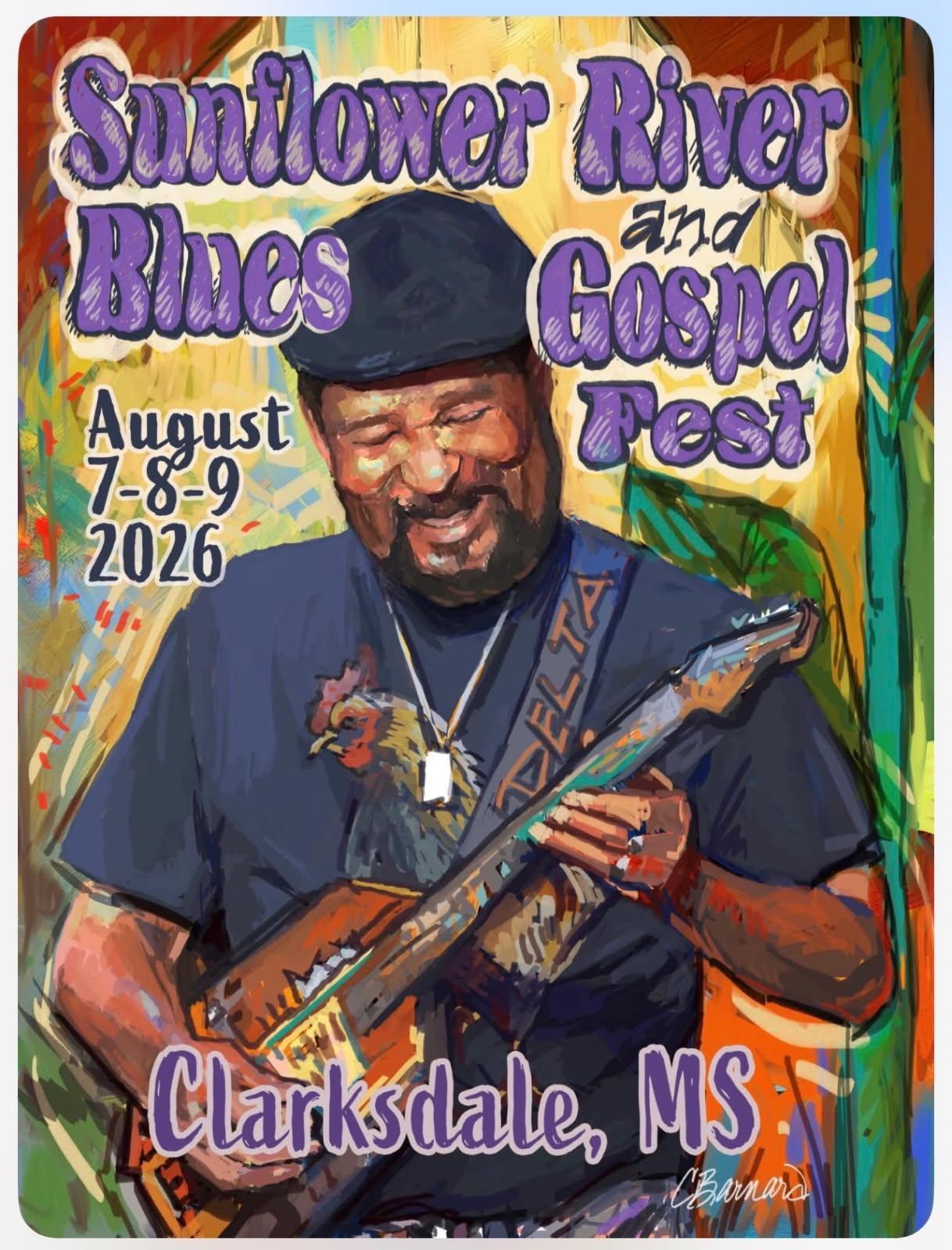
The Sunflower River Blues & Gospel Festival remains one of the world’s premier free blues festivals — a celebration of music, history, unity, and the enduring spirit of the Mississippi Delta.